Expert Pilates Improvement Tips to Elevate Your Reformer Practice
- bodyrockreformer
- Jan 26
- 5 min read
If you’ve ever stepped onto a Reformer machine, you know it’s a game-changer for strength, flexibility, and overall body awareness. But like any fitness tool, the magic happens when you use it right. Over time, I’ve gathered some invaluable insights that can truly transform your Reformer Pilates sessions. Whether you’re recovering from an injury, aiming to boost athletic performance, or simply want to get stronger and more balanced, these tips will help you get the most out of every workout.
Let’s dive into some practical, easy-to-apply advice that will make your Pilates journey smoother, safer, and more effective.
Mastering the Basics: Foundation for Pilates Improvement Tips
Before you push yourself harder or try advanced moves, it’s crucial to nail the fundamentals. The Reformer is unique because it challenges your stability and control in ways that mat Pilates doesn’t. Here’s what I recommend focusing on:
Alignment is everything: Your spine, hips, and shoulders should be in neutral alignment. This means no overarching your back or letting your hips tilt. When you start a movement, check your posture in the mirror or ask your instructor for feedback.
Breath control: Pilates is all about coordinating breath with movement. Inhale to prepare, exhale to engage your core and execute the move. This rhythm helps you stay focused and supports your muscles.
Engage your core: The powerhouse of Pilates is your core. Think of gently pulling your belly button towards your spine without holding your breath. This engagement protects your lower back and improves balance.
Move with intention: Slow, controlled movements beat fast, sloppy ones every time. Quality over quantity is the mantra here.
By solidifying these basics, you’ll build a strong foundation that supports more complex exercises and reduces injury risk.
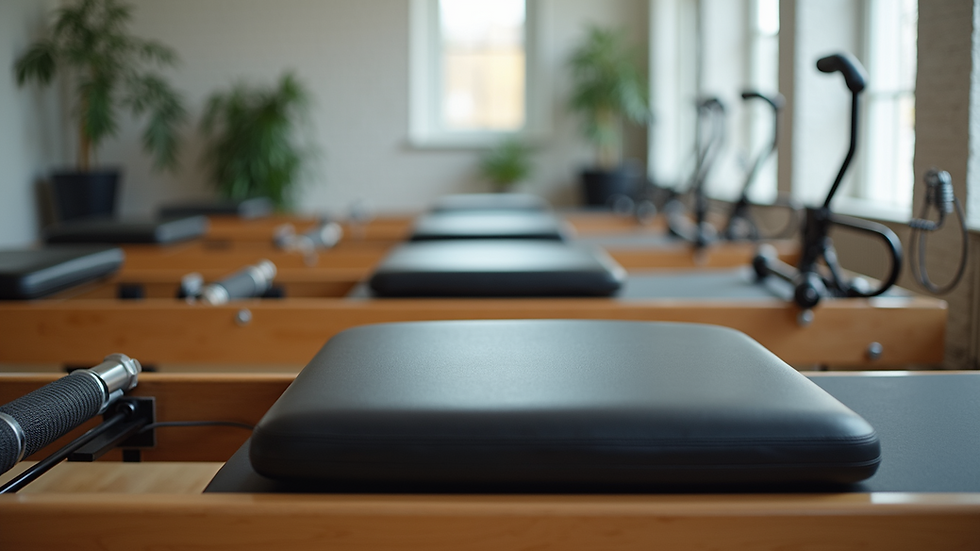
Practical Pilates Improvement Tips for Strength and Flexibility
Once you’re comfortable with the basics, it’s time to enhance your strength and flexibility. Here are some tips that have worked wonders for me and many others:
Use the springs wisely
The springs provide resistance, but it’s tempting to crank them up too high. Start with lighter resistance to focus on form. As your strength improves, gradually increase the tension. This progression helps prevent strain and builds muscle evenly.
Incorporate dynamic stretches
Before your session, warm up with dynamic stretches that mimic Pilates movements. Leg swings, arm circles, and gentle spinal twists prepare your body and improve range of motion.
Focus on eccentric control
Pilates isn’t just about lifting or pushing; it’s about controlling the return phase of each movement. For example, when lowering your legs on the Reformer, resist the carriage’s pull slowly. This eccentric control builds strength and protects joints.
Mix in complementary exercises
Strengthen muscles that support your Pilates practice with exercises like planks, bridges, and resistance band work. This cross-training enhances your overall performance and injury resilience.
Prioritise flexibility with targeted stretches
After your workout, spend time stretching key areas like hamstrings, hip flexors, and shoulders. Flexibility improves your Pilates form and reduces muscle tightness.
These tips will help you progress steadily and safely, making your Pilates sessions more rewarding.
How to Avoid Common Mistakes in Reformer Pilates
Even experienced practitioners can fall into common pitfalls that limit progress or cause discomfort. Here’s what to watch out for:
Holding your breath: It’s easy to forget to breathe during challenging moves. Remember, breath fuels your muscles and keeps you calm.
Overarching the lower back: This often happens when the core isn’t engaged enough. Keep your pelvis neutral and avoid letting your lower back sag.
Rushing through exercises: Pilates is about control and precision. Slow down and focus on each movement’s quality.
Ignoring pain signals: Discomfort is normal, but sharp pain is a red flag. Modify or skip exercises that cause pain and consult a professional if needed.
Neglecting posture off the Reformer: Your daily posture affects your Pilates practice. Be mindful of how you sit, stand, and move throughout the day.
By being aware of these mistakes, you can adjust your technique and enjoy a safer, more effective workout.

Tips for Injury Recovery and Enhancing Athletic Performance
One of the most powerful benefits of Reformer Pilates is its ability to support injury recovery and boost athletic performance. Here’s how to tailor your practice for these goals:
Start slow and listen to your body
After an injury, your body needs time to rebuild strength and mobility. Use gentle resistance and avoid pushing through pain. Focus on controlled movements that promote healing.
Work on imbalances
Many injuries stem from muscle imbalances. Pilates helps identify and correct these by targeting weak or tight areas. For example, if you have tight hip flexors, incorporate stretches and strengthening exercises to restore balance.
Enhance core stability
A strong core protects your spine and improves overall athletic performance. Use exercises like the “plank on the Reformer” or “short box series” to build this foundation.
Improve proprioception and balance
The unstable surface of the Reformer challenges your balance and body awareness. This is especially beneficial for athletes who need quick reflexes and coordination.
Integrate Pilates with your sport-specific training
Use Pilates to complement your main sport. For runners, focus on hip and glute strength. For swimmers, emphasise shoulder stability and flexibility.
By applying these strategies, you’ll not only recover smarter but also elevate your athletic capabilities.
Creating a Sustainable Pilates Routine That Works for You
Consistency is key to seeing real progress in Pilates. Here’s how to build a routine that fits your lifestyle and keeps you motivated:
Set realistic goals
Whether it’s improving flexibility, recovering from injury, or building strength, clear goals help you stay focused.
Schedule regular sessions
Aim for at least 2-3 Reformer Pilates sessions per week. Consistency beats intensity when it comes to long-term results.
Mix it up
Keep your routine interesting by trying different exercises and variations. This prevents boredom and challenges your body in new ways.
Track your progress
Keep a journal or use an app to note improvements in strength, flexibility, and how you feel after workouts.
Find a supportive community
Joining a studio like Bodyrock Reformer Pilates in County Louth can provide motivation, expert guidance, and a sense of belonging.
Remember, Pilates is a journey, not a quick fix. Celebrate small wins and enjoy the process.
If you want to dive deeper into expert advice, check out these reformer pilates expert tips that can guide you further.
Embracing the Journey to a Stronger, Healthier You
Improving your Reformer Pilates practice is about more than just mastering exercises. It’s about tuning into your body, respecting its limits, and celebrating its capabilities. With the right approach, you’ll build strength, enhance flexibility, and recover from injuries more effectively.
So, are you ready to take your Pilates to the next level? Remember, every session is a step towards a stronger, more balanced you. Keep these tips in mind, stay patient, and enjoy the incredible benefits that Reformer Pilates has to offer.
Happy reforming!


Comments